

When Packaging Takes Up the Space of a Studio Apartment
Prateek Kar | Posted on |
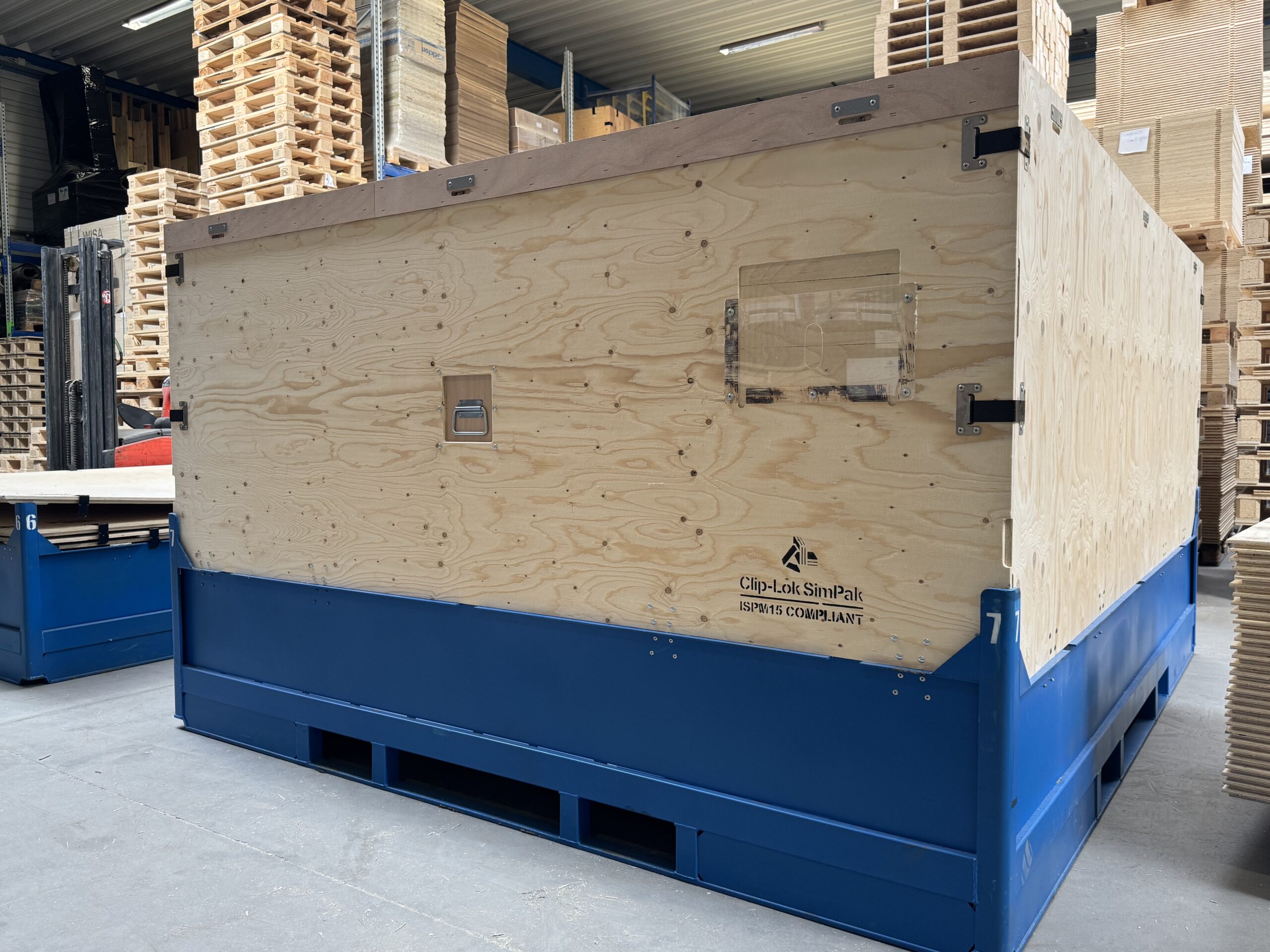
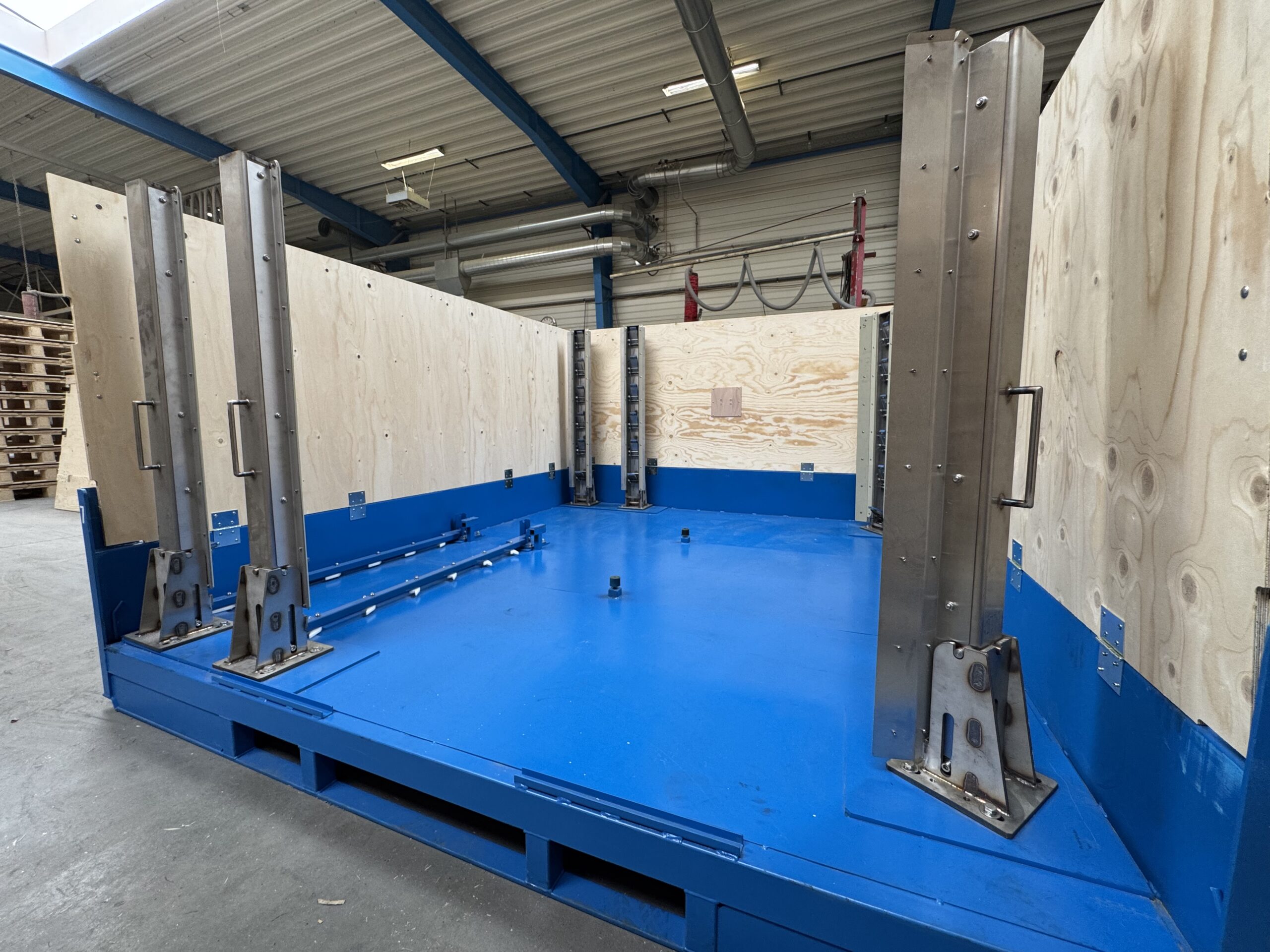
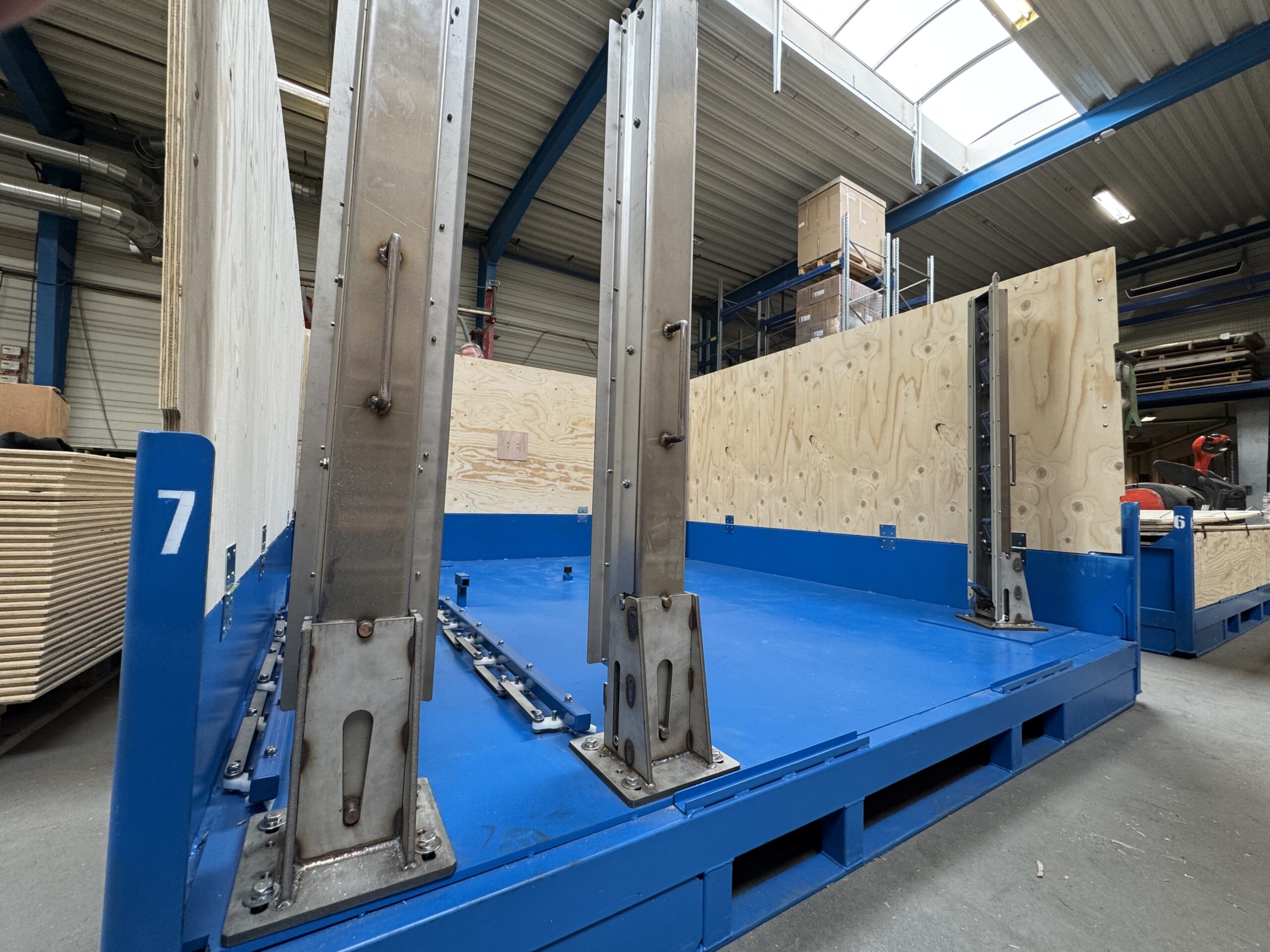
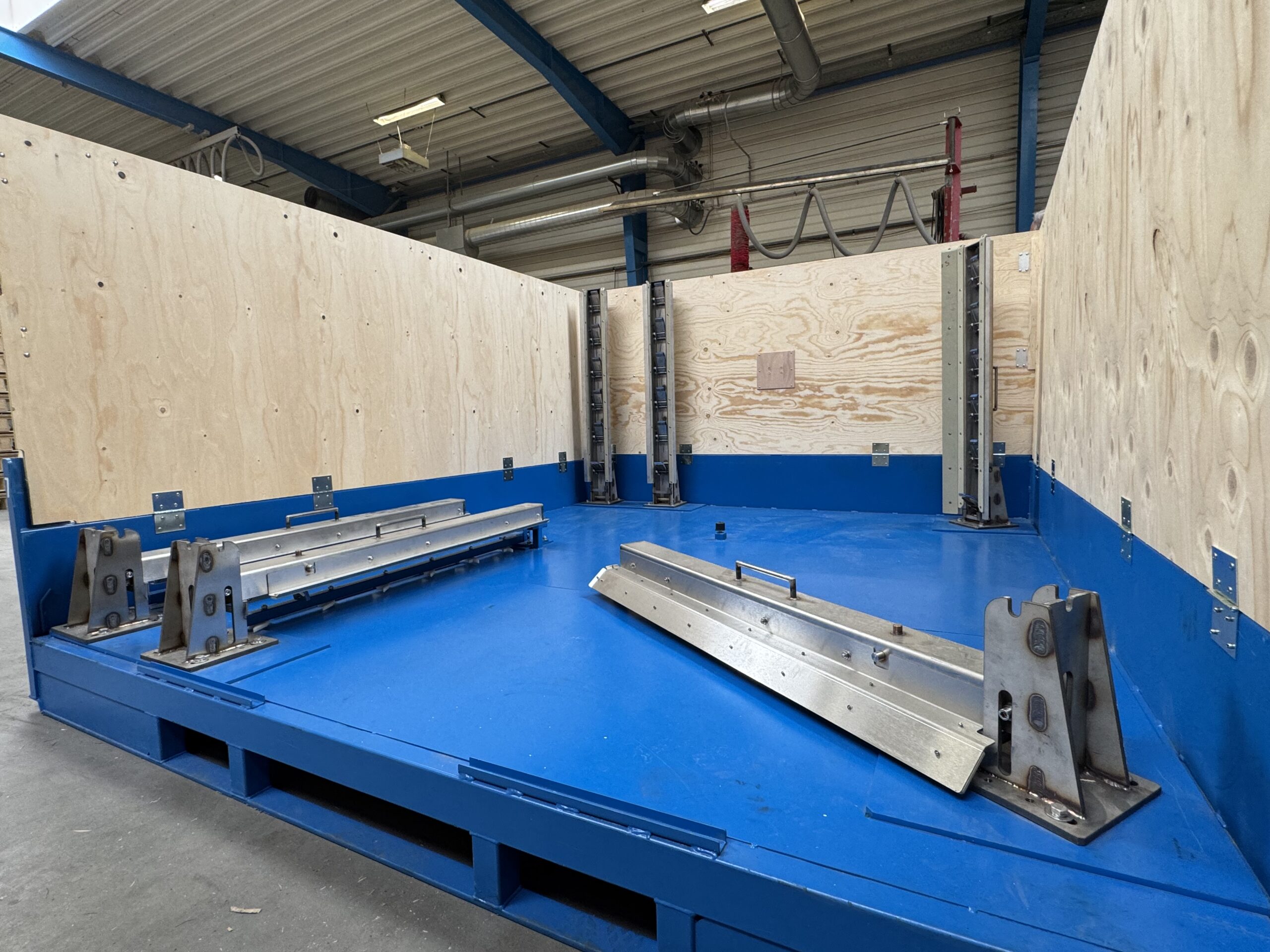
In many major cities around the world, six square metres is enough space for a compact kitchen or even a micro-apartment. It is not, however, a size most people associate with packaging.
Yet this is precisely the challenge faced by manufacturers of large automotive components. How do you safely transport lightweight but bulky products while protecting them from environmental conditions and keeping logistics costs under control?
For a leading automotive customer in Scandinavia, the challenge centred on aluminium truck cab roofs. The roofs required secure positioning during transport, protection from dust and moisture, and the flexibility to accommodate different roof variants within a single packaging system.
Traditional steel racks could provide structural support but not the environmental protection required throughout the supply chain. The customer needed a solution that combined durability, protection, and operational efficiency.
Clip-Lok SimPak responded by developing a customised CombiBox packaging solution. Covering nearly 7 square metres, the packaging combines a steel-frame pallet base with a plywood upper structure, creating a hybrid design that delivers both strength and protection.
Inside the CombiBox, a custom latching tower system securely separates each roof, preventing movement and surface damage during handling and transportation. The design accommodates both short and long cab roof variants within the same packaging system.
Equally important, the CombiBox is fully collapsable. Once emptied, the packaging collapses to less than half its operating height, reducing storage requirements and lowering return logistics costs.
The project demonstrates how modern industrial packaging has evolved far beyond simply moving products from A to B. Today, packaging solutions must protect valuable components, improve supply-chain efficiency, and support sustainability objectives simultaneously.
For automotive manufacturers facing increasingly complex logistics challenges, innovative packaging can become a strategic advantage rather than an operational necessity.